
tabnat80
Gold Member
- 839
Follow along with the video below to see how to install our site as a web app on your home screen.
Note: This feature may not be available in some browsers.
This thread centers around participants sharing their experiences and tips related to cooking a specific recipe on a stove-eye for the first time. Many contributors discuss their preparation methods, ingredient modifications, and the overall interactive cooking experience during shows.
Views differ on the best preparation methods and ingredient choices, with no clear consensus emerging on the ideal approach to cooking the recipe.
Participants share personal experiences from various cooking shows and meetings, highlighting the interactive nature of the cooking process and the importance of audience engagement.
Consultants looking for insights on cooking demonstrations and tips for engaging guests during interactive shows may find this discussion beneficial.


The pasta cooks in the broth in this recipe. I haven't had a problem with completing it in time doing the entire thing for a show. If you turn the heat up to almost high and put the lid on, the broth comes to a boil quickly, and while the pasta is cooking, you and your guests can be cutting up the vegetables.climbercanoe3 said:We did this for a meeting and realized you want the water boiling for the pasta before the guests get there. So that the pasta is already cooking when they arrive. It eats up to much time to wait for all that.
We also talked about using the covered baker or the salad chopper as a booking tool. We thought it would be good to make some chicken in the baker and chop it up with the salad choppers. Then you could add it to the recipe.
It is a great interactive recipe, have fun!
 (And at the first of the 2 shows, I sold 3 of the large pieces of forged cutlery.)

 That is great about the knives being a good thing. I think they sell themselves by their description. I also think there are always a few that need to touch to really believe they are worth it.
climbercanoe3 said:Colleen-
It is on Consultant's Corner. Go to the recipe section and under S/S 2008 Season's Best. You can even email the recipe to yourself and then print it out if you want.

 I think I'm with Ann on using the UM for the carrots and the knives with the brocolli and sun dried tomatoes.
letscook04 said:Yes, I know but I am at my day job(snicker) That's ok I can get it when I am home! Thanks
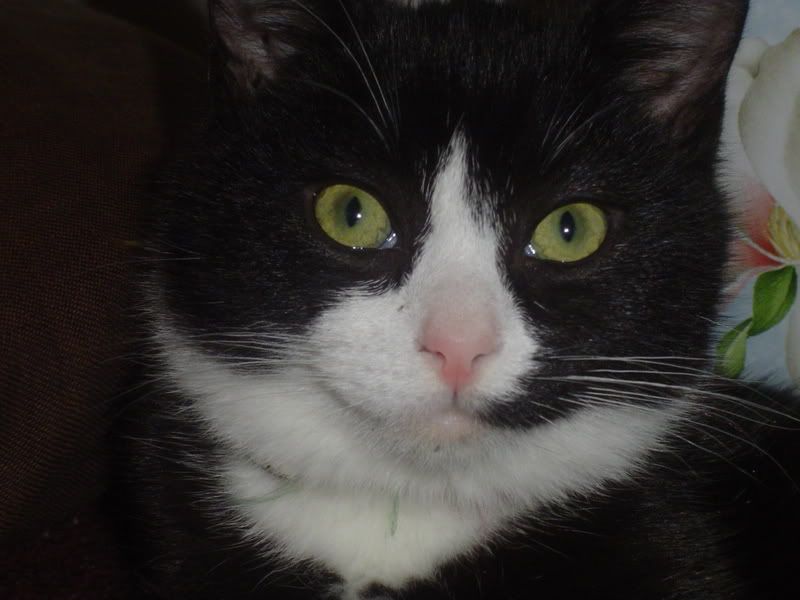
Oh and Colleen I love your kitty's pic
purrbal said:Just go to the pampered chef website and click on consultant's corner and sign in you can do it from anywhere.
letscook04 said:Highjack...
Oh thank you!! My kitty is now 1 1/2 year old (about 24 lbs), that picture he was only 3 months old.
tabnat80 said:Thanks for all the suggestions. I am just ready to get this show over with. My mom called and my grandmother isn't doing well. She's 89 and is back in the hospital. This time she's got the flu and ut infectoin. She's been in a nursing home rehab place for about a month trying to regain her strength from her hip surgery and hasn't been the same since her fall. I don't think she's going to make it. She's so very weak. I just want to go up there and be with her but I've got so much to do to get ready for my show. Please keep her in your prayers tonight.
Before you start cooking, make sure you have all your ingredients prepped and measured. Gather your cooking utensils, such as pots, pans, spatulas, and measuring cups. It's also helpful to read through the recipe thoroughly to understand the steps involved and ensure you have everything you need on hand.
The size of the stove-eye you choose should match the size of your pot or pan. For smaller pots, use the smaller burners, and for larger pots, use the bigger ones. This helps ensure even heating and prevents food from cooking unevenly.
Generally, low heat is best for simmering and melting, medium heat is ideal for sautéing and frying, and high heat is used for boiling and searing. Refer to your recipe for specific temperature recommendations, and remember that it’s easier to increase the heat than to decrease it if things start to cook too quickly.
To prevent sticking, make sure to preheat your pan before adding oil or food. Use enough oil or cooking spray, and consider using non-stick cookware. Additionally, avoid moving the food too soon; let it sear properly before flipping or stirring.
If you notice that your food is cooking too quickly or starting to burn, immediately reduce the heat. You can also add a little liquid, such as broth or water, to help deglaze the pan and prevent burning. If the food is already burnt, you may need to transfer the unburnt portions to a new pan to salvage the dish.
