Deeder
- 60
Follow along with the video below to see how to install our site as a web app on your home screen.
Note: This feature may not be available in some browsers.
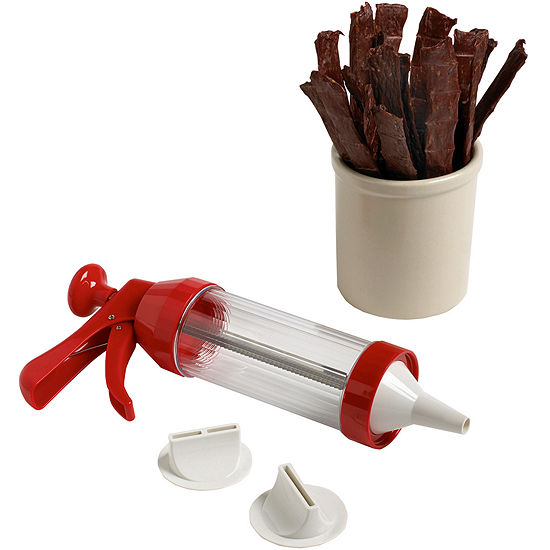
The thread explores whether the EAD or cookie press is suitable for making beef jerky, with participants sharing their thoughts and experiences regarding the strength and functionality of these tools for this purpose.
Views differ on the suitability of the EAD and cookie press for making beef jerky, with some participants expressing skepticism about their strength while others share anecdotal experiences of failure.
Participants are discussing personal experiences and observations related to the use of kitchen tools for making beef jerky, without implying any official guidance or safety claims.
Consultants interested in the practical applications of the EAD and cookie press for making jerky may find the shared experiences relevant.
An Ead is typically designed for creating a variety of shapes and sizes in dough or batter, while a Cookie Press is specifically designed for dispensing cookie dough. For beef jerky, a Cookie Press is more suitable as it can create uniform strips of meat, which is essential for even drying and cooking.
Yes, you can use a Cookie Press to make beef jerky. It allows you to easily shape the meat mixture into consistent strips, which helps ensure even drying and cooking. Just make sure to use a jerky recipe that has a suitable consistency for pressing.
Lean cuts of meat work best for making jerky with a Cookie Press. Cuts like flank steak, sirloin, or round are ideal because they have less fat, which can spoil during the drying process. Trim any excess fat before using the Cookie Press.
Yes, marinating the meat before using a Cookie Press is recommended. Marinating enhances the flavor and helps tenderize the meat. Allow the meat to marinate for at least a few hours or overnight for the best results before pressing it into strips.
To clean a Cookie Press after making beef jerky, disassemble the press and wash all removable parts in warm, soapy water. Use a brush to clean any small crevices. Rinse thoroughly and let everything dry completely before reassembling to prevent any bacteria growth.