janetupnorth
Gold Member
- 14,814
Follow along with the video below to see how to install our site as a web app on your home screen.
Note: This feature may not be available in some browsers.
The thread explores the humorous and anecdotal aspects of comparing the weight of a house to that of a bridge, with participants sharing personal experiences and playful commentary related to moving houses and the logistics involved.
Views differ, with some participants sharing serious anecdotes while others focus on humor and light-hearted commentary. No clear consensus emerges on the main topic.
The discussion reflects a blend of personal experiences and humorous observations related to the logistics of moving houses and the comparison to bridges, without delving into technical details.
Participants interested in humorous anecdotes about home moving experiences and those who enjoy light-hearted discussions within the community may find this thread engaging.
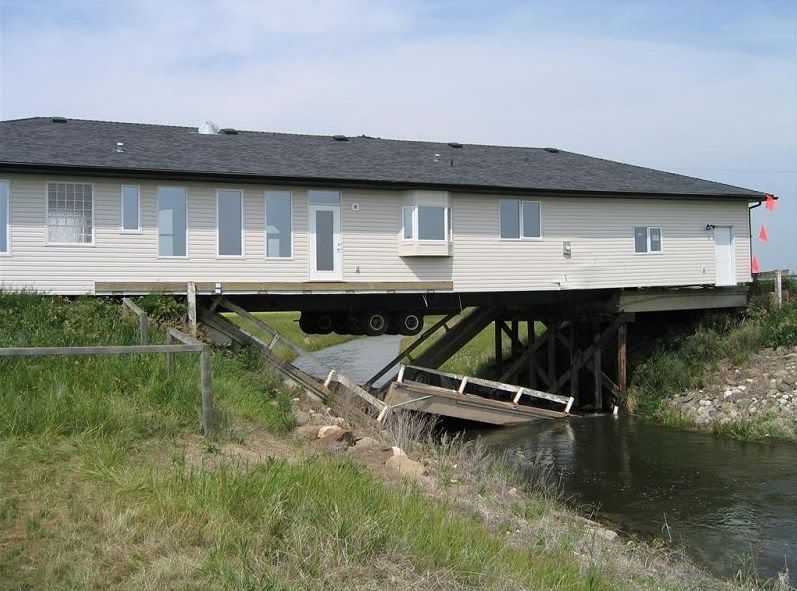
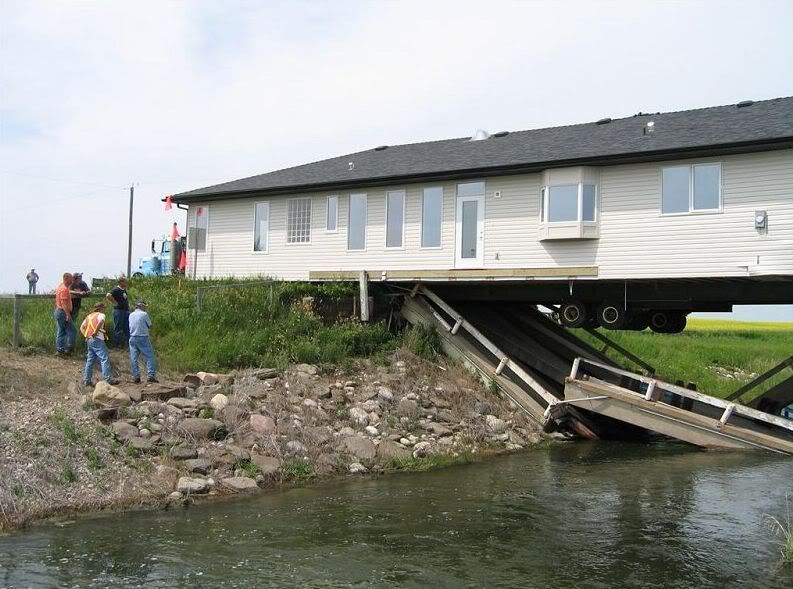
janetupnorth said:Now does this fall under house insurance, car insurance or roadside assistance?
EdraJayne said:I love how all the men are just standing around looking at it like "now what?!"
chefann said:My question is, did they finance that with a mortgage or a bridge loan?
The weight of an average house can vary significantly based on its size, materials, and design. However, a typical single-family home can weigh anywhere from 50,000 to 100,000 pounds (approximately 25 to 50 tons).
The weight of a bridge also varies widely depending on its type, materials, and size. For example, a small pedestrian bridge may weigh around 20 tons, while larger highway bridges can weigh several hundred tons, with some massive structures exceeding 1,000 tons.
In general, bridges tend to weigh more than houses due to their larger size and the materials used in their construction. While an average house may weigh between 50,000 to 100,000 pounds, many bridges can weigh several times that amount, especially when considering larger structures.
The weight of both houses and bridges is influenced by several factors, including the materials used (wood, concrete, steel), the design and engineering specifications, the size and span of the structure, and any additional features such as roofing or flooring materials.
Yes, the weight of a house or bridge significantly impacts its construction. Heavier structures require more robust foundations and support systems to ensure stability and safety. Engineers must carefully calculate load-bearing capacities and material strengths to accommodate the weight of the structure.