pamperedpals
Gold Member
- 2,075
Follow along with the video below to see how to install our site as a web app on your home screen.
Note: This feature may not be available in some browsers.
This thread features participants sharing their experiences and excitement about 6-week-old lab puppies, including personal anecdotes and reactions to the shared pictures.
Views differ on the specific experiences shared, but there is a general consensus on the cuteness of the puppies and the excitement surrounding them.
Participants are sharing personal experiences related to lab puppies, highlighting their growth and the joy of adopting a new pet.
Members of the consultant community who are dog lovers or considering adopting a puppy may find the shared experiences relatable and enjoyable.
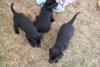
At 6 weeks old, Lab puppies are typically playful, curious, and energetic. They are beginning to explore their environment and develop social skills. This age is crucial for their development, as they start to learn how to interact with humans and other animals.
At this age, Lab puppies should be fed a high-quality puppy food that is specifically formulated for their growth needs. It's important to provide them with a balanced diet that includes the right proportions of protein, fat, and carbohydrates. You can start with dry kibble, but it can be moistened with water or puppy formula to make it easier for them to eat.
6-week-old Lab puppies should be fed about four times a day. This frequent feeding schedule helps ensure they get the necessary nutrients for their rapid growth and development. As they grow older, you can gradually reduce the number of meals to three times a day.
At 6 weeks old, Lab puppies should receive their first set of vaccinations, which typically includes the DAPP (Distemper, Adenovirus, Parvovirus, and Parainfluenza) vaccine. It's important to consult with a veterinarian to create a vaccination schedule tailored to your puppy's needs.
Socialization is crucial for puppies at this age. You can socialize your 6-week-old Lab by gently introducing them to various people, environments, and other animals. Positive experiences during this critical period will help them grow into well-adjusted adult dogs. Always supervise interactions and ensure they are positive and safe.